
Spatial Thinking
Spatial Thinking
Architecture & Lifestyle
Architecture & Lifestyle
Architecture & Lifestyle
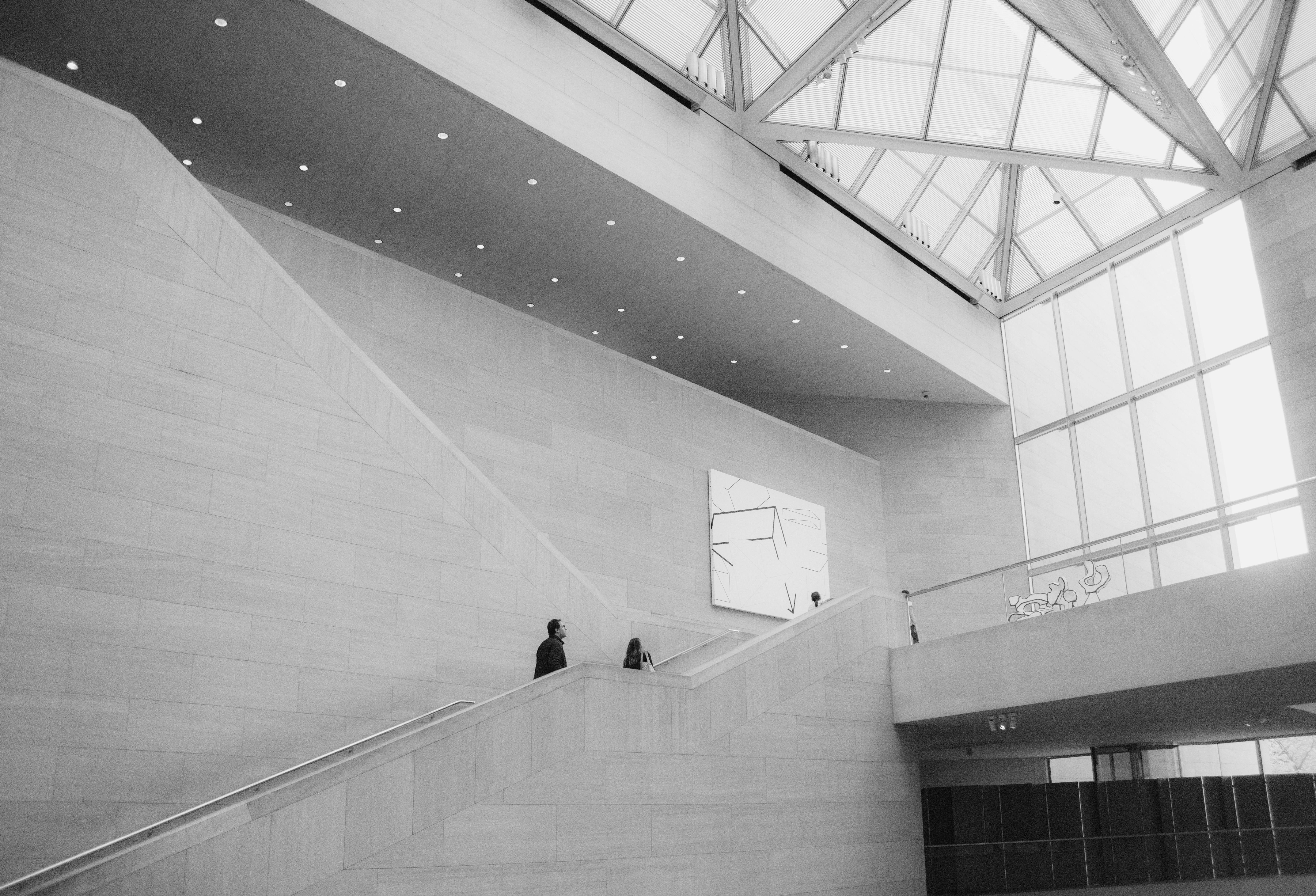
Space shapes behavior long before we consciously recognize it. It guides movement, frames perception, and influences emotion. Architecture is not only about walls, structure, or material — it is about the experiences those elements create and the subtle ways in which they affect everyday life.
Proportion, scale, light, and circulation define how a space feels and functions. A double-height volume can evoke openness and freedom, while compressed ceilings can create intimacy and focus. Natural light softens surfaces and enhances material texture, while controlled shadows introduce rhythm and depth. These elements operate together, forming an invisible language that communicates comfort, energy, calm, or dynamism.
Spatial organization directly influences interaction. Open environments encourage collaboration and shared energy, while clearly defined zones provide privacy and concentration. The way corridors connect rooms, the positioning of entrances, and the transition between interior and exterior all impact how people move and relate to one another. Architecture becomes choreography — guiding behavior through form.
Poorly designed space creates friction. Inefficient layouts disrupt workflow, harsh lighting strains perception, and disproportionate volumes can feel disorienting. Over time, these inconsistencies affect productivity, well-being, and emotional balance. The absence of intentional design often becomes most visible through discomfort.
Understanding spatial psychology allows architecture to move beyond appearance. It becomes a tool — one that supports purpose and enhances performance. In residential settings, this may mean designing spaces that promote calm and connection. In workplaces, it may involve fostering collaboration while preserving focus. In hospitality environments, it may mean shaping atmosphere to influence perception and memory.
Materiality also reinforces spatial experience. The tactile quality of surfaces, acoustic performance, and thermal comfort all contribute to how a space is perceived and inhabited. Architecture is multi-sensory — not only seen, but felt.
Ultimately, the power of space lies in its ability to influence without imposing. The most successful architecture does not demand attention; it supports life seamlessly. When proportion, light, structure, and circulation align with human behavior, space transcends form and becomes experience.
Architecture, at its highest level, is not about constructing buildings — it is about shaping how people live, work, and feel within them.
Space shapes behavior long before we consciously recognize it. It guides movement, frames perception, and influences emotion. Architecture is not only about walls, structure, or material — it is about the experiences those elements create and the subtle ways in which they affect everyday life.
Proportion, scale, light, and circulation define how a space feels and functions. A double-height volume can evoke openness and freedom, while compressed ceilings can create intimacy and focus. Natural light softens surfaces and enhances material texture, while controlled shadows introduce rhythm and depth. These elements operate together, forming an invisible language that communicates comfort, energy, calm, or dynamism.
Spatial organization directly influences interaction. Open environments encourage collaboration and shared energy, while clearly defined zones provide privacy and concentration. The way corridors connect rooms, the positioning of entrances, and the transition between interior and exterior all impact how people move and relate to one another. Architecture becomes choreography — guiding behavior through form.
Poorly designed space creates friction. Inefficient layouts disrupt workflow, harsh lighting strains perception, and disproportionate volumes can feel disorienting. Over time, these inconsistencies affect productivity, well-being, and emotional balance. The absence of intentional design often becomes most visible through discomfort.
Understanding spatial psychology allows architecture to move beyond appearance. It becomes a tool — one that supports purpose and enhances performance. In residential settings, this may mean designing spaces that promote calm and connection. In workplaces, it may involve fostering collaboration while preserving focus. In hospitality environments, it may mean shaping atmosphere to influence perception and memory.
Materiality also reinforces spatial experience. The tactile quality of surfaces, acoustic performance, and thermal comfort all contribute to how a space is perceived and inhabited. Architecture is multi-sensory — not only seen, but felt.
Ultimately, the power of space lies in its ability to influence without imposing. The most successful architecture does not demand attention; it supports life seamlessly. When proportion, light, structure, and circulation align with human behavior, space transcends form and becomes experience.
Architecture, at its highest level, is not about constructing buildings — it is about shaping how people live, work, and feel within them.
Space shapes behavior long before we consciously recognize it. It guides movement, frames perception, and influences emotion. Architecture is not only about walls, structure, or material — it is about the experiences those elements create and the subtle ways in which they affect everyday life.
Proportion, scale, light, and circulation define how a space feels and functions. A double-height volume can evoke openness and freedom, while compressed ceilings can create intimacy and focus. Natural light softens surfaces and enhances material texture, while controlled shadows introduce rhythm and depth. These elements operate together, forming an invisible language that communicates comfort, energy, calm, or dynamism.
Spatial organization directly influences interaction. Open environments encourage collaboration and shared energy, while clearly defined zones provide privacy and concentration. The way corridors connect rooms, the positioning of entrances, and the transition between interior and exterior all impact how people move and relate to one another. Architecture becomes choreography — guiding behavior through form.
Poorly designed space creates friction. Inefficient layouts disrupt workflow, harsh lighting strains perception, and disproportionate volumes can feel disorienting. Over time, these inconsistencies affect productivity, well-being, and emotional balance. The absence of intentional design often becomes most visible through discomfort.
Understanding spatial psychology allows architecture to move beyond appearance. It becomes a tool — one that supports purpose and enhances performance. In residential settings, this may mean designing spaces that promote calm and connection. In workplaces, it may involve fostering collaboration while preserving focus. In hospitality environments, it may mean shaping atmosphere to influence perception and memory.
Materiality also reinforces spatial experience. The tactile quality of surfaces, acoustic performance, and thermal comfort all contribute to how a space is perceived and inhabited. Architecture is multi-sensory — not only seen, but felt.
Ultimately, the power of space lies in its ability to influence without imposing. The most successful architecture does not demand attention; it supports life seamlessly. When proportion, light, structure, and circulation align with human behavior, space transcends form and becomes experience.
Architecture, at its highest level, is not about constructing buildings — it is about shaping how people live, work, and feel within them.
KEY PERSPECTIVES
KEY PERSPECTIVES
KEY PERSPECTIVES
Core Ideas
Behind the Concept.
Core Ideas
Behind the Concept.
Core Ideas
Behind the Concept.
A closer look at the essential elements shaping this architectural approach from strategy and materiality to structure and long-term performance.
A closer look at the essential elements shaping this architectural approach from strategy and materiality to structure and long-term performance.
A closer look at the essential elements shaping this architectural approach from strategy and materiality to structure and long-term performance.
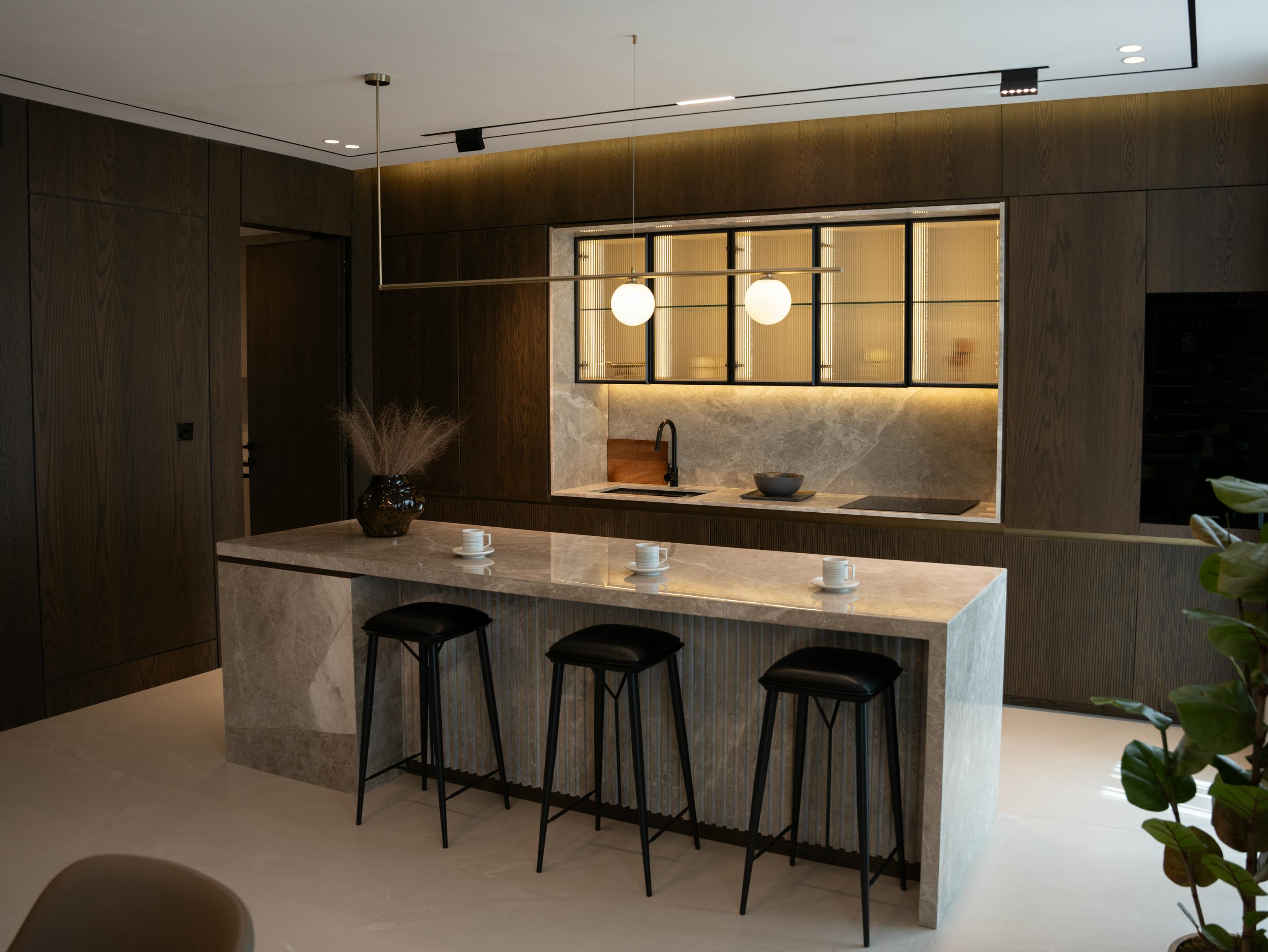
Human Experience
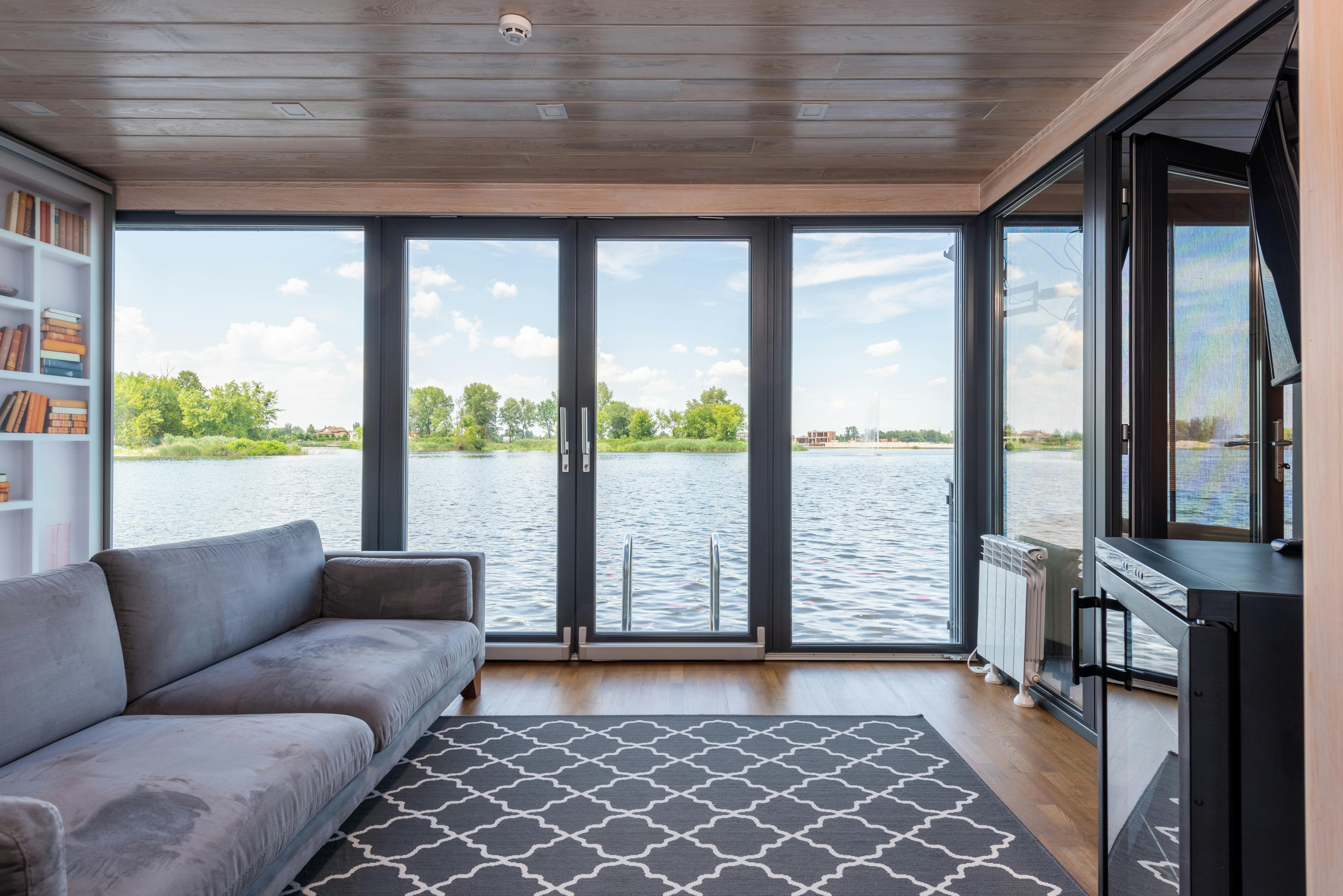
Emotional Impact
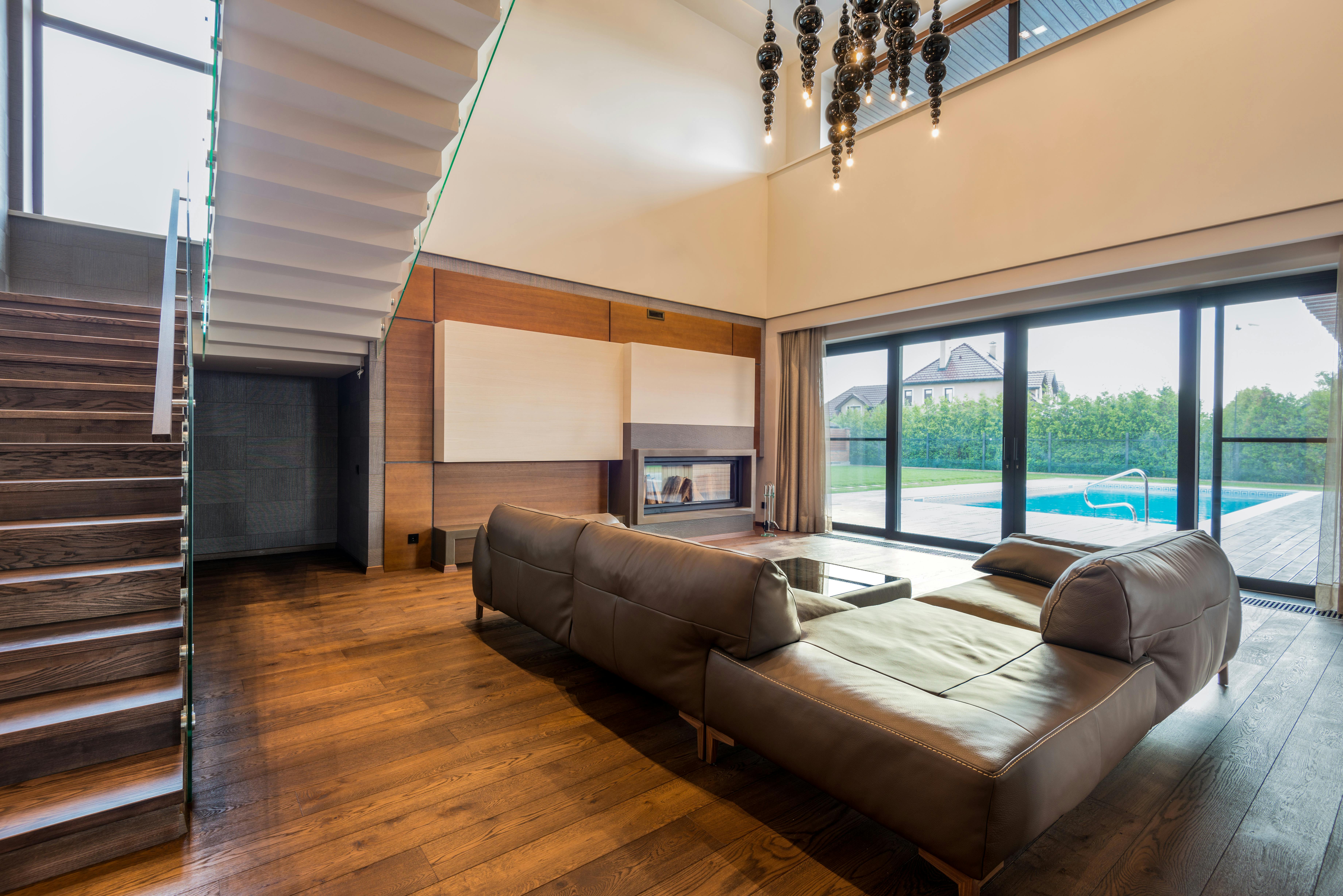
Spatial Balance
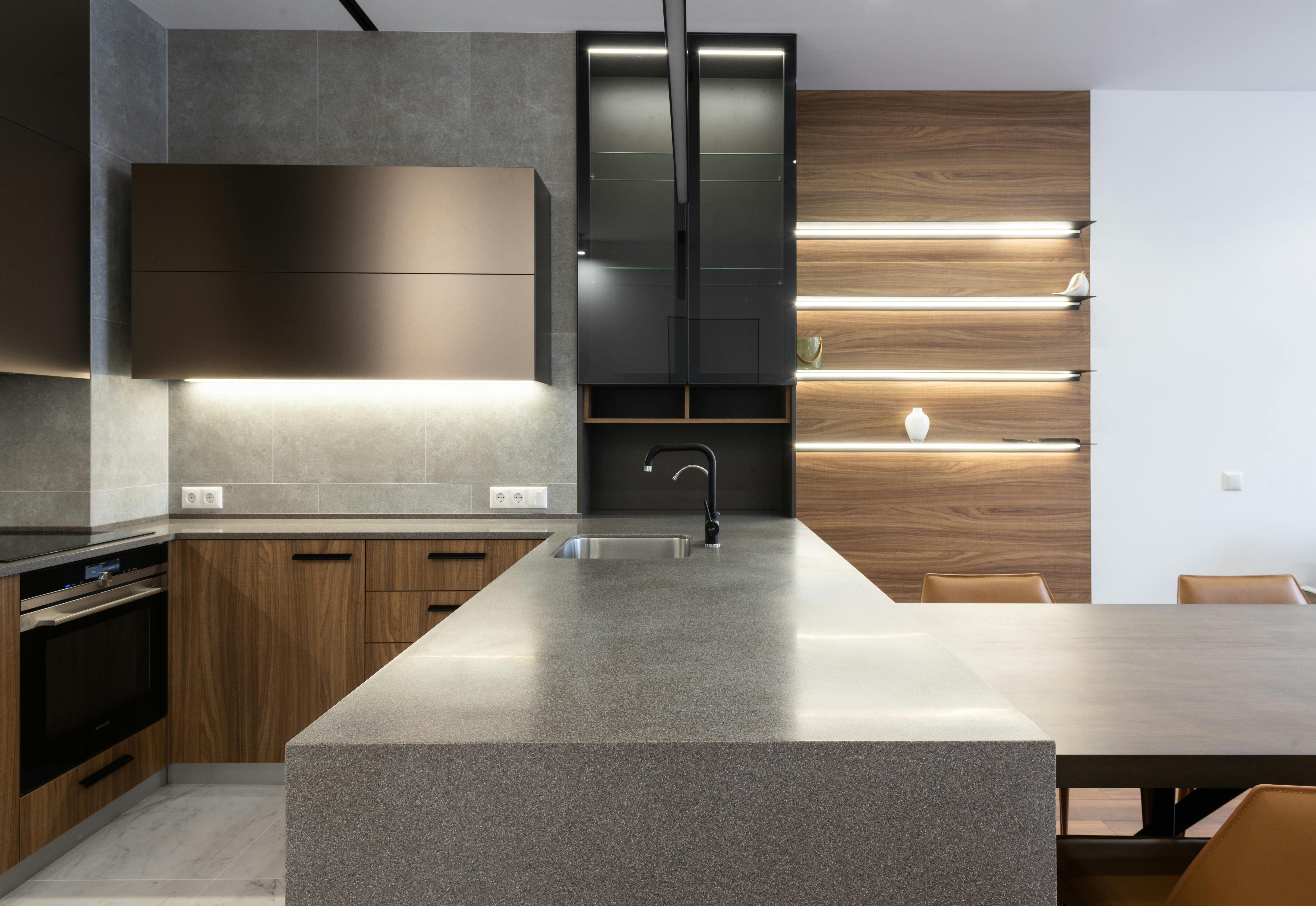
Architectural Atmosphere
Human Experience
Emotional Impact
Spatial Balance
Architectural Atmosphere
Human Experience
Emotional Impact
Spatial Balance
Architectural Atmosphere
Designing the Future of Space.
We create architecture defined by clarity, precision, and purpose. From concept to completion, every project reflects our commitment to enduring design and thoughtful execution.
Contact us
Designing the Future of Space.

We create architecture defined by clarity, precision, and purpose. From concept to completion, every project reflects our commitment to enduring design and thoughtful execution.
Contact us
Design by: Before Pixel
Designing the Future of Space.
We create architecture defined by clarity, precision, and purpose. From concept to completion, every project reflects our commitment to enduring design and thoughtful execution.
Contact us
© 2026 Studio 01
Design by: Before Pixel