
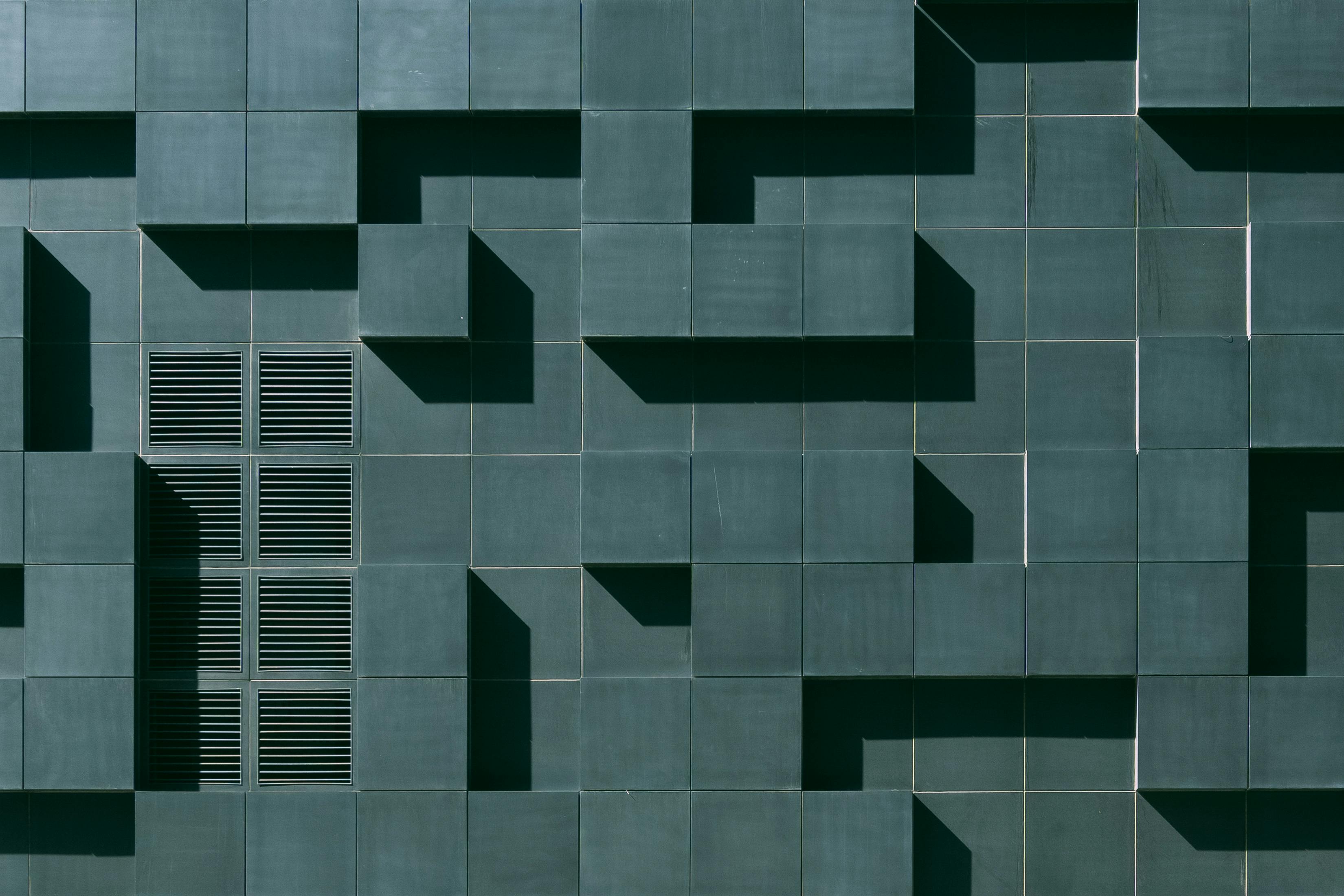
Design Process
Design Process
Project Execution
Project Execution
Project Execution
Precision is not a finishing touch — it is the foundation of great architecture. Every successful project is defined by discipline in detail, coordination between teams, and clarity in execution. Without precision, even the most compelling concept risks losing integrity once translated into built form.
In practice, precision means more than technical accuracy. It reflects a mindset — one that values alignment, proportion, and continuity at every scale. From the positioning of structural systems to the integration of mechanical and electrical networks, every layer of a project must operate cohesively. Materials are not selected only for appearance, but for performance, durability, and long-term behavior under real-world conditions.
Minor inconsistencies in planning can create significant inefficiencies during construction. A misplaced dimension, an unresolved junction, or a lack of coordination between consultants can compromise both timeline and quality. This is why detail is never secondary. Precision begins in early-stage drawings and continues through documentation, modeling, and on-site supervision.
Technology plays a critical role in maintaining this standard. Advanced BIM coordination, layered technical documentation, and structured review processes allow us to anticipate conflicts before they reach the construction phase. But tools alone are not enough — discipline and communication define the outcome. Clear collaboration between architects, engineers, contractors, and clients ensures that every decision remains aligned with the original design intent.
Precision also protects architectural identity. When execution is carefully managed, materials align as intended, spatial proportions remain intact, and light interacts with surfaces as originally envisioned. The result is coherence — a built environment that reflects the clarity of its initial concept.
Ultimately, precision in practice is about responsibility. Responsibility to the design, to the client, and to the longevity of the structure itself. It ensures that architecture is not only visually refined, but structurally reliable and operationally efficient.
The result is enduring value — architecture that performs as well as it inspires.
Precision is not a finishing touch — it is the foundation of great architecture. Every successful project is defined by discipline in detail, coordination between teams, and clarity in execution. Without precision, even the most compelling concept risks losing integrity once translated into built form.
In practice, precision means more than technical accuracy. It reflects a mindset — one that values alignment, proportion, and continuity at every scale. From the positioning of structural systems to the integration of mechanical and electrical networks, every layer of a project must operate cohesively. Materials are not selected only for appearance, but for performance, durability, and long-term behavior under real-world conditions.
Minor inconsistencies in planning can create significant inefficiencies during construction. A misplaced dimension, an unresolved junction, or a lack of coordination between consultants can compromise both timeline and quality. This is why detail is never secondary. Precision begins in early-stage drawings and continues through documentation, modeling, and on-site supervision.
Technology plays a critical role in maintaining this standard. Advanced BIM coordination, layered technical documentation, and structured review processes allow us to anticipate conflicts before they reach the construction phase. But tools alone are not enough — discipline and communication define the outcome. Clear collaboration between architects, engineers, contractors, and clients ensures that every decision remains aligned with the original design intent.
Precision also protects architectural identity. When execution is carefully managed, materials align as intended, spatial proportions remain intact, and light interacts with surfaces as originally envisioned. The result is coherence — a built environment that reflects the clarity of its initial concept.
Ultimately, precision in practice is about responsibility. Responsibility to the design, to the client, and to the longevity of the structure itself. It ensures that architecture is not only visually refined, but structurally reliable and operationally efficient.
The result is enduring value — architecture that performs as well as it inspires.
Precision is not a finishing touch — it is the foundation of great architecture. Every successful project is defined by discipline in detail, coordination between teams, and clarity in execution. Without precision, even the most compelling concept risks losing integrity once translated into built form.
In practice, precision means more than technical accuracy. It reflects a mindset — one that values alignment, proportion, and continuity at every scale. From the positioning of structural systems to the integration of mechanical and electrical networks, every layer of a project must operate cohesively. Materials are not selected only for appearance, but for performance, durability, and long-term behavior under real-world conditions.
Minor inconsistencies in planning can create significant inefficiencies during construction. A misplaced dimension, an unresolved junction, or a lack of coordination between consultants can compromise both timeline and quality. This is why detail is never secondary. Precision begins in early-stage drawings and continues through documentation, modeling, and on-site supervision.
Technology plays a critical role in maintaining this standard. Advanced BIM coordination, layered technical documentation, and structured review processes allow us to anticipate conflicts before they reach the construction phase. But tools alone are not enough — discipline and communication define the outcome. Clear collaboration between architects, engineers, contractors, and clients ensures that every decision remains aligned with the original design intent.
Precision also protects architectural identity. When execution is carefully managed, materials align as intended, spatial proportions remain intact, and light interacts with surfaces as originally envisioned. The result is coherence — a built environment that reflects the clarity of its initial concept.
Ultimately, precision in practice is about responsibility. Responsibility to the design, to the client, and to the longevity of the structure itself. It ensures that architecture is not only visually refined, but structurally reliable and operationally efficient.
The result is enduring value — architecture that performs as well as it inspires.
KEY PERSPECTIVES
KEY PERSPECTIVES
KEY PERSPECTIVES
Core Ideas
Behind the Concept.
Core Ideas
Behind the Concept.
Core Ideas
Behind the Concept.
A closer look at the essential elements shaping this architectural approach from strategy and materiality to structure and long-term performance.
A closer look at the essential elements shaping this architectural approach from strategy and materiality to structure and long-term performance.
A closer look at the essential elements shaping this architectural approach from strategy and materiality to structure and long-term performance.
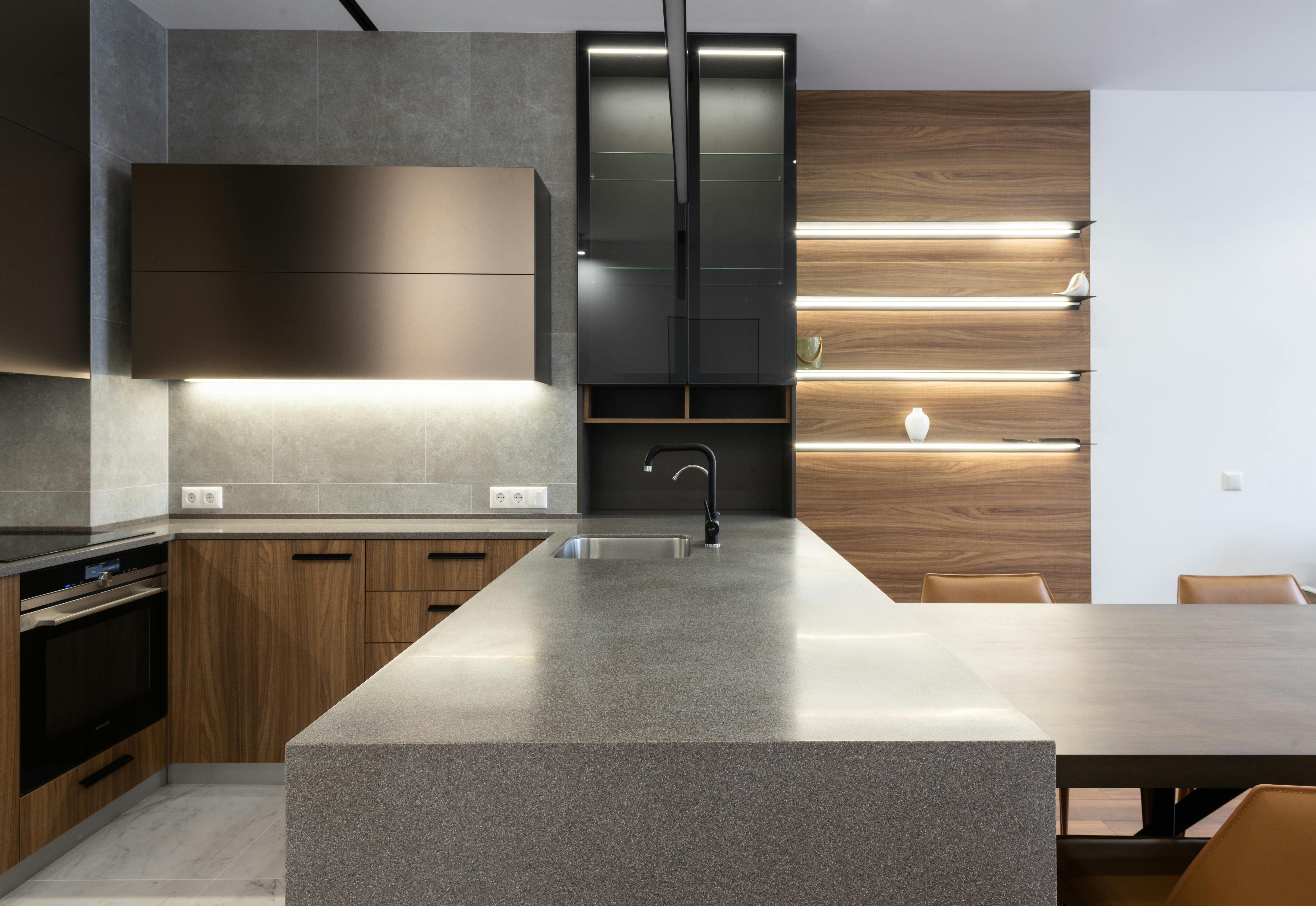
Detail Strategy

Technical Coordination
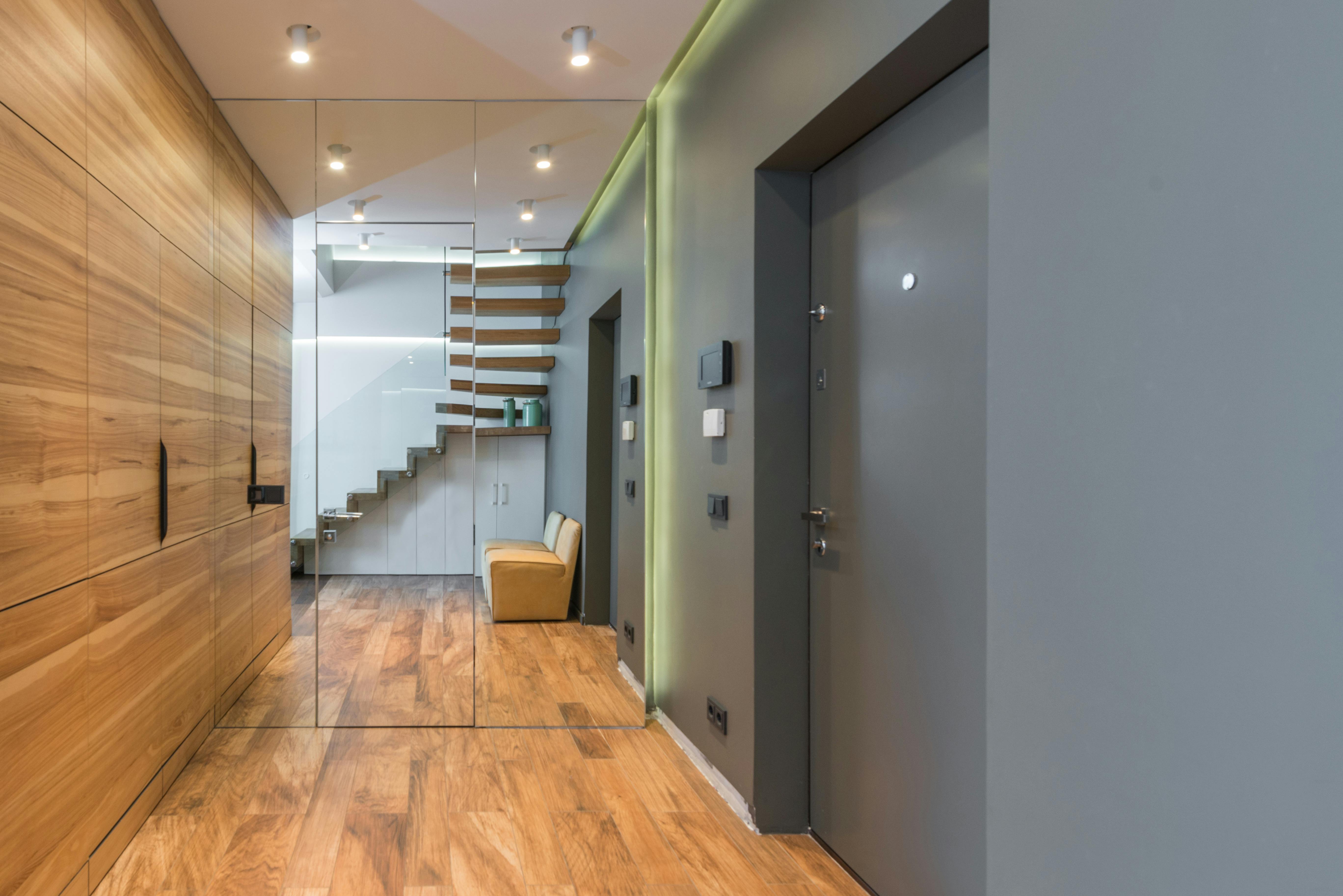
Material Precision

Execution Standards
Detail Strategy
Technical Coordination
Material Precision
Execution Standards
Detail Strategy
Technical Coordination
Material Precision
Execution Standards
Designing the Future of Space.
We create architecture defined by clarity, precision, and purpose. From concept to completion, every project reflects our commitment to enduring design and thoughtful execution.
Contact us
Designing the Future of Space.

We create architecture defined by clarity, precision, and purpose. From concept to completion, every project reflects our commitment to enduring design and thoughtful execution.
Contact us
Design by: Before Pixel
Designing the Future of Space.
We create architecture defined by clarity, precision, and purpose. From concept to completion, every project reflects our commitment to enduring design and thoughtful execution.
Contact us
© 2026 Studio 01
Design by: Before Pixel