
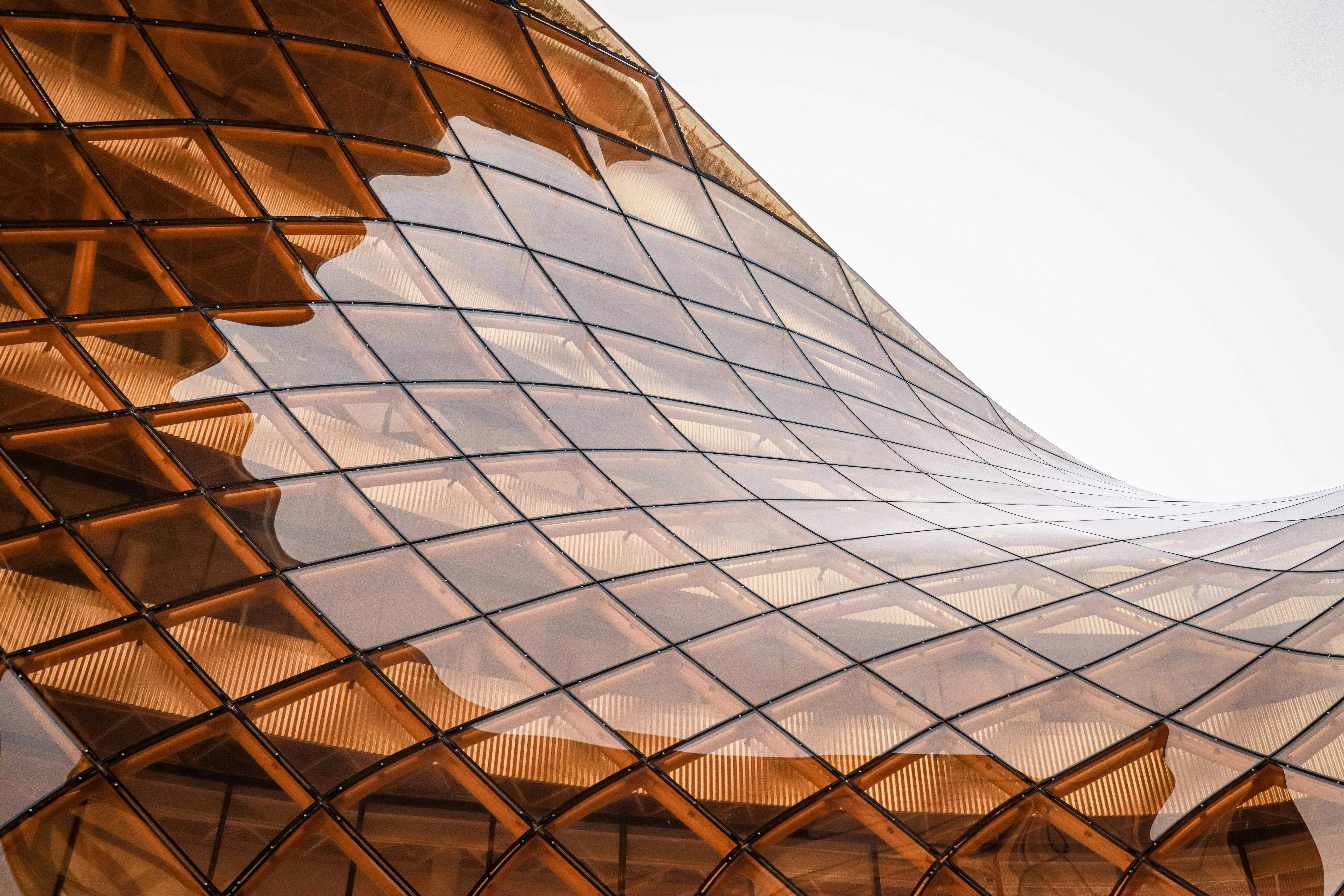
Innovation
Innovation
Industry Trends
Industry Trends
Industry Trends
Architecture is evolving at an unprecedented pace. Rapid urbanization, technological advancement, and environmental urgency are reshaping not only how we design buildings, but how we define their purpose. The role of architecture is no longer limited to shelter or visual identity — it now intersects with data, sustainability, and human well-being at a systemic level.
Emerging technologies are transforming the design process itself. Advanced BIM coordination enables real-time collaboration between disciplines, reducing errors and increasing precision before construction begins. Parametric modeling allows architects to explore complex geometries while maintaining structural logic and performance control. Digital simulations evaluate daylight exposure, thermal efficiency, and airflow long before materials are placed on site.
Beyond digital tools, material innovation is redefining performance standards. Smart materials respond dynamically to environmental conditions. High-performance glazing systems optimize light while minimizing heat gain. Sustainable composites reduce embodied carbon without compromising durability. These advancements move architecture toward intelligence — structures that adapt rather than resist.
Sustainability has shifted from option to necessity. Regulatory frameworks, environmental responsibility, and client expectations now demand measurable performance outcomes. Energy-efficient systems, passive design strategies, renewable integration, and responsible sourcing are no longer add-ons — they are foundational. The architecture of the future must operate efficiently across its entire lifecycle.
Urban density introduces further complexity. As cities expand vertically and horizontally, architecture must reconcile growth with livability. Mixed-use developments, walkable neighborhoods, and integrated public spaces redefine how communities interact. The challenge is not simply building more — it is building better, smarter, and more responsibly.
At the same time, technology cannot overshadow the human dimension. While automation, AI-driven analysis, and smart systems enhance efficiency, architecture must remain grounded in experience. Light, proportion, materiality, and spatial flow continue to shape emotion and behavior. Innovation must serve people — not replace them.
The future of architecture lies in integration: innovation combined with responsibility, technology balanced with human experience. It demands precision without rigidity, sustainability without compromise, and creativity without excess.
As expectations rise and global challenges intensify, architecture must continue to adapt — intelligently, sustainably, and with clarity of purpose. The buildings of tomorrow will not only define skylines; they will define how we live within them.
Architecture is evolving at an unprecedented pace. Rapid urbanization, technological advancement, and environmental urgency are reshaping not only how we design buildings, but how we define their purpose. The role of architecture is no longer limited to shelter or visual identity — it now intersects with data, sustainability, and human well-being at a systemic level.
Emerging technologies are transforming the design process itself. Advanced BIM coordination enables real-time collaboration between disciplines, reducing errors and increasing precision before construction begins. Parametric modeling allows architects to explore complex geometries while maintaining structural logic and performance control. Digital simulations evaluate daylight exposure, thermal efficiency, and airflow long before materials are placed on site.
Beyond digital tools, material innovation is redefining performance standards. Smart materials respond dynamically to environmental conditions. High-performance glazing systems optimize light while minimizing heat gain. Sustainable composites reduce embodied carbon without compromising durability. These advancements move architecture toward intelligence — structures that adapt rather than resist.
Sustainability has shifted from option to necessity. Regulatory frameworks, environmental responsibility, and client expectations now demand measurable performance outcomes. Energy-efficient systems, passive design strategies, renewable integration, and responsible sourcing are no longer add-ons — they are foundational. The architecture of the future must operate efficiently across its entire lifecycle.
Urban density introduces further complexity. As cities expand vertically and horizontally, architecture must reconcile growth with livability. Mixed-use developments, walkable neighborhoods, and integrated public spaces redefine how communities interact. The challenge is not simply building more — it is building better, smarter, and more responsibly.
At the same time, technology cannot overshadow the human dimension. While automation, AI-driven analysis, and smart systems enhance efficiency, architecture must remain grounded in experience. Light, proportion, materiality, and spatial flow continue to shape emotion and behavior. Innovation must serve people — not replace them.
The future of architecture lies in integration: innovation combined with responsibility, technology balanced with human experience. It demands precision without rigidity, sustainability without compromise, and creativity without excess.
As expectations rise and global challenges intensify, architecture must continue to adapt — intelligently, sustainably, and with clarity of purpose. The buildings of tomorrow will not only define skylines; they will define how we live within them.
Architecture is evolving at an unprecedented pace. Rapid urbanization, technological advancement, and environmental urgency are reshaping not only how we design buildings, but how we define their purpose. The role of architecture is no longer limited to shelter or visual identity — it now intersects with data, sustainability, and human well-being at a systemic level.
Emerging technologies are transforming the design process itself. Advanced BIM coordination enables real-time collaboration between disciplines, reducing errors and increasing precision before construction begins. Parametric modeling allows architects to explore complex geometries while maintaining structural logic and performance control. Digital simulations evaluate daylight exposure, thermal efficiency, and airflow long before materials are placed on site.
Beyond digital tools, material innovation is redefining performance standards. Smart materials respond dynamically to environmental conditions. High-performance glazing systems optimize light while minimizing heat gain. Sustainable composites reduce embodied carbon without compromising durability. These advancements move architecture toward intelligence — structures that adapt rather than resist.
Sustainability has shifted from option to necessity. Regulatory frameworks, environmental responsibility, and client expectations now demand measurable performance outcomes. Energy-efficient systems, passive design strategies, renewable integration, and responsible sourcing are no longer add-ons — they are foundational. The architecture of the future must operate efficiently across its entire lifecycle.
Urban density introduces further complexity. As cities expand vertically and horizontally, architecture must reconcile growth with livability. Mixed-use developments, walkable neighborhoods, and integrated public spaces redefine how communities interact. The challenge is not simply building more — it is building better, smarter, and more responsibly.
At the same time, technology cannot overshadow the human dimension. While automation, AI-driven analysis, and smart systems enhance efficiency, architecture must remain grounded in experience. Light, proportion, materiality, and spatial flow continue to shape emotion and behavior. Innovation must serve people — not replace them.
The future of architecture lies in integration: innovation combined with responsibility, technology balanced with human experience. It demands precision without rigidity, sustainability without compromise, and creativity without excess.
As expectations rise and global challenges intensify, architecture must continue to adapt — intelligently, sustainably, and with clarity of purpose. The buildings of tomorrow will not only define skylines; they will define how we live within them.
KEY PERSPECTIVES
KEY PERSPECTIVES
KEY PERSPECTIVES
Core Ideas
Behind the Concept.
Core Ideas
Behind the Concept.
Core Ideas
Behind the Concept.
A closer look at the essential elements shaping this architectural approach from strategy and materiality to structure and long-term performance.
A closer look at the essential elements shaping this architectural approach from strategy and materiality to structure and long-term performance.
A closer look at the essential elements shaping this architectural approach from strategy and materiality to structure and long-term performance.
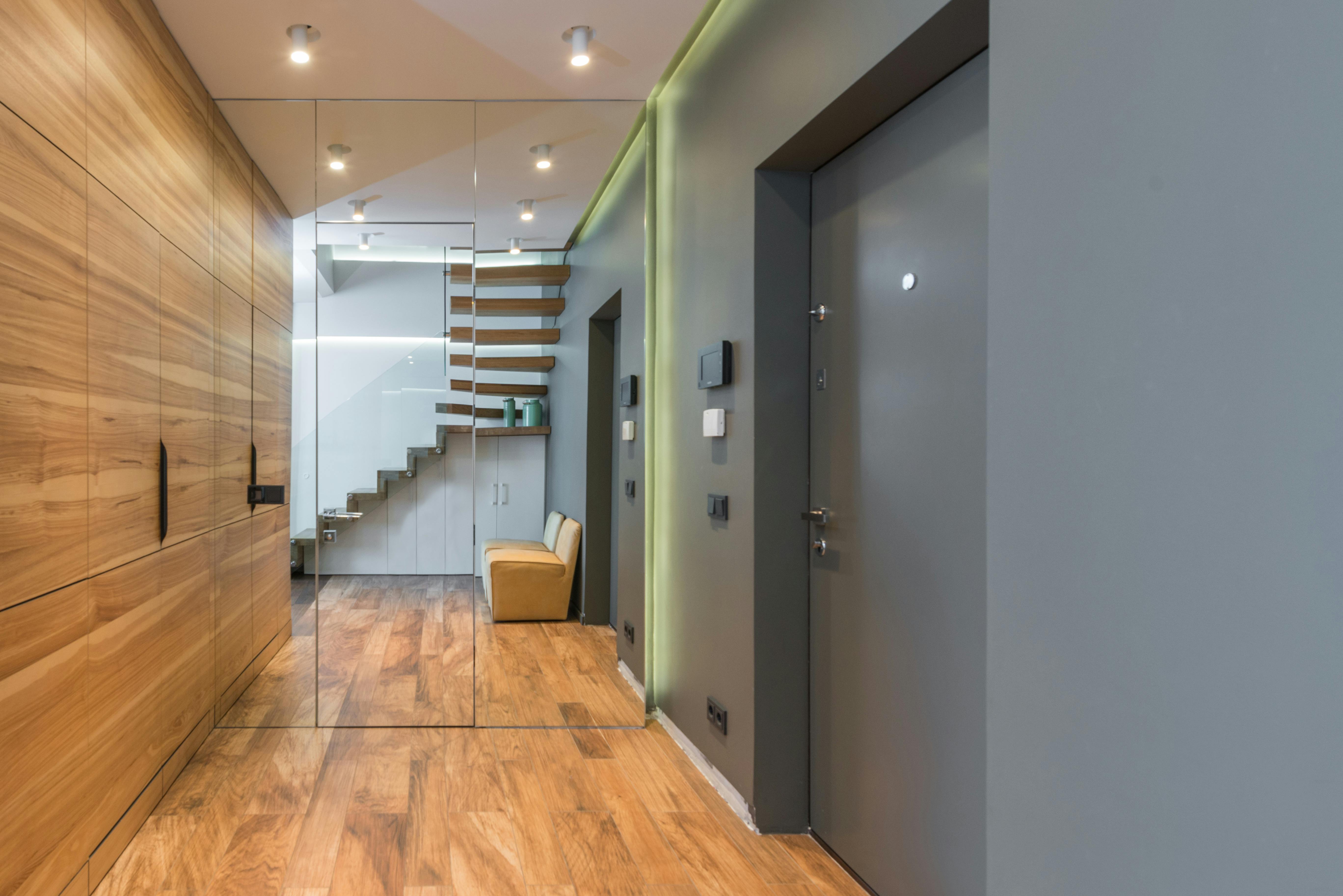
Smart Systems
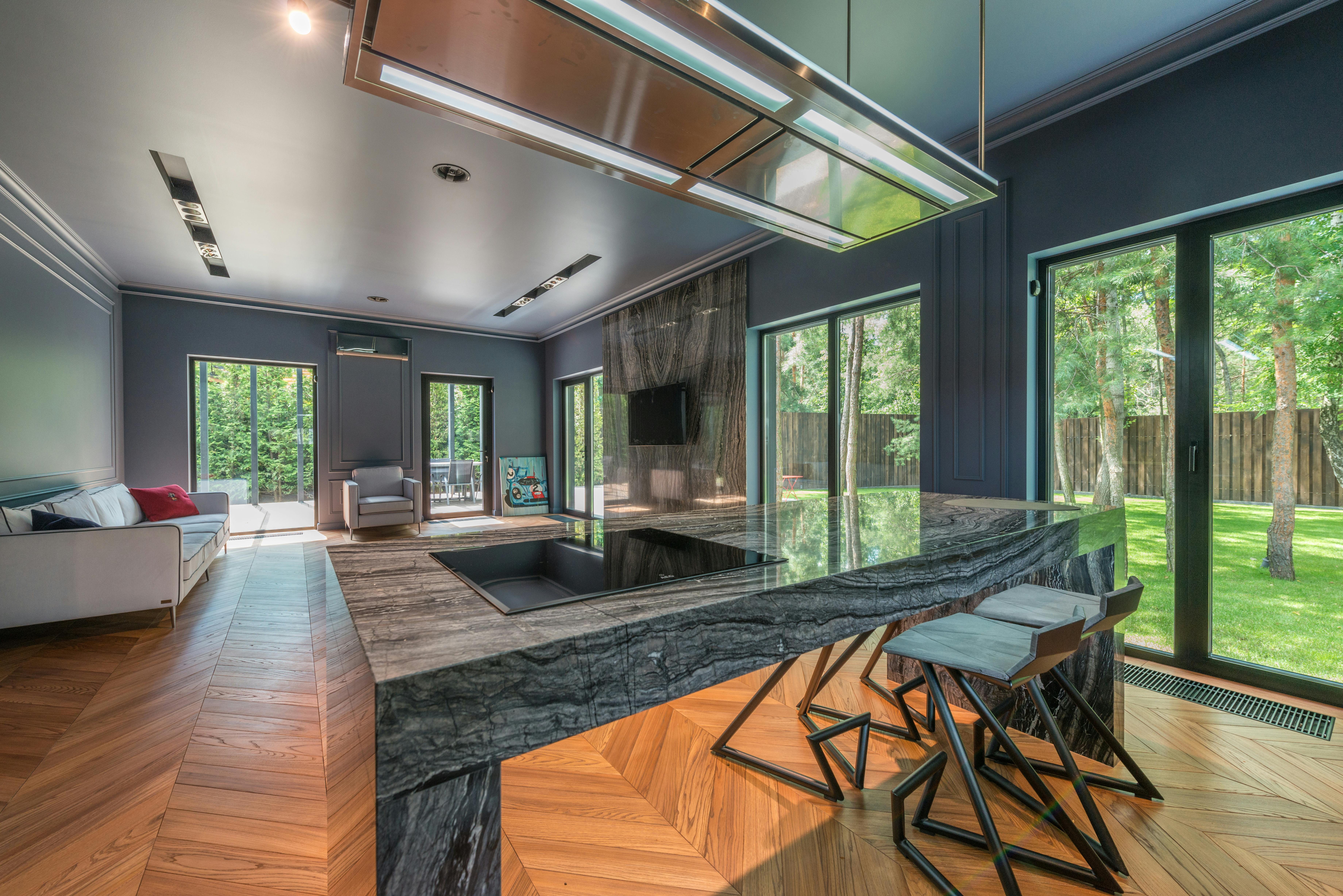
Sustainable Design
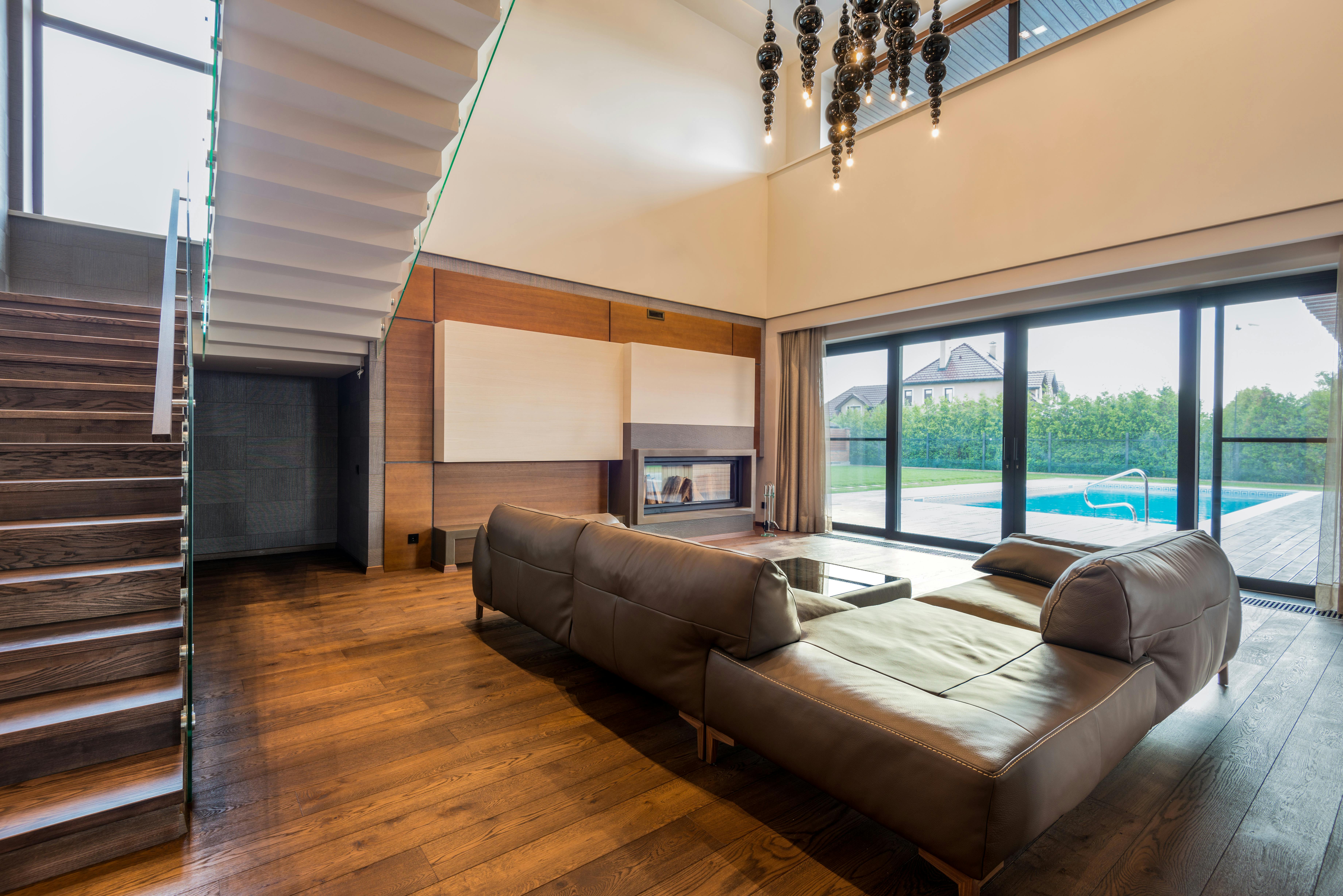
Digital Modeling
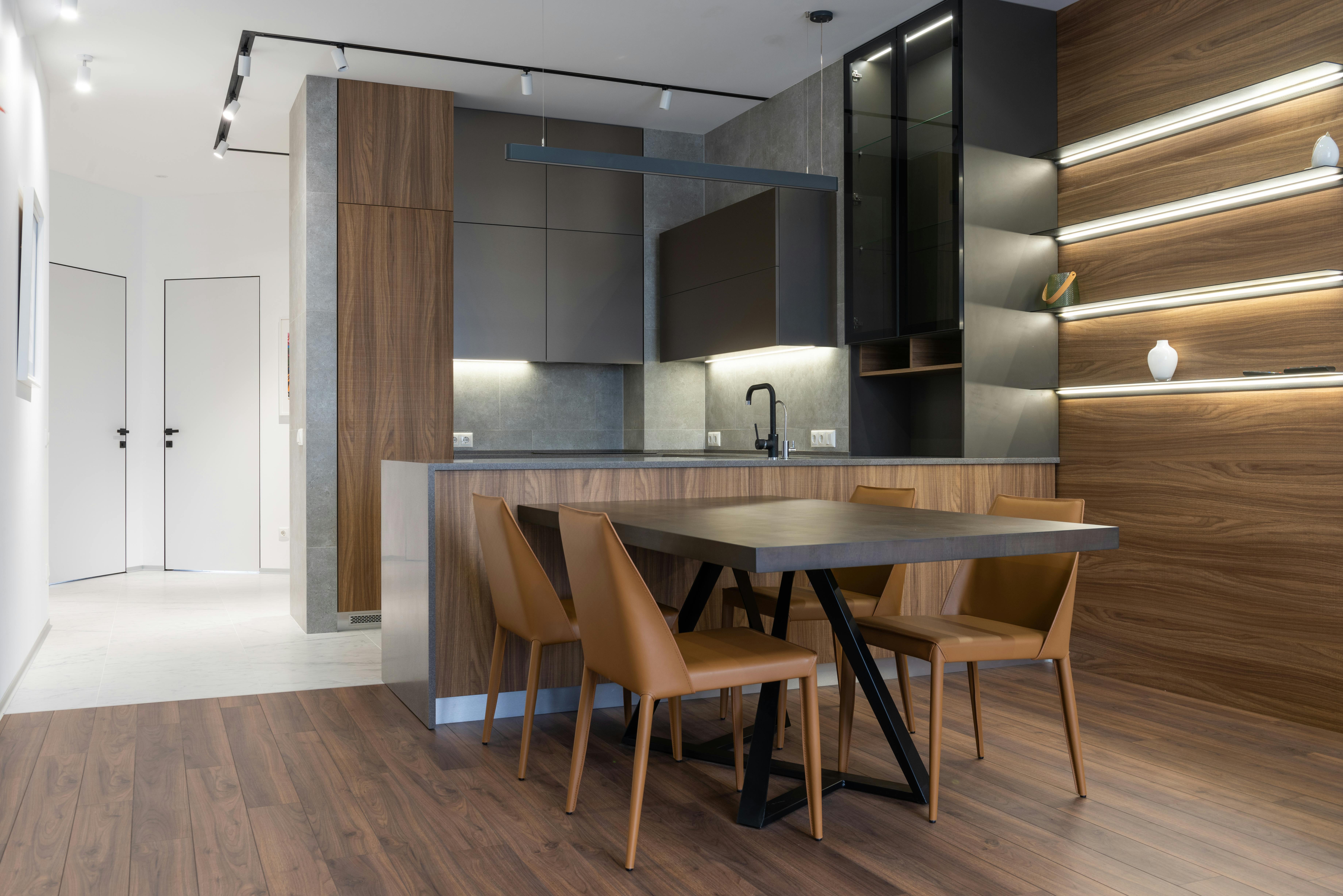
Urban Evolution
Smart Systems
Sustainable Design
Digital Modeling
Urban Evolution
Smart Systems
Sustainable Design
Digital Modeling
Urban Evolution
Designing the Future of Space.
We create architecture defined by clarity, precision, and purpose. From concept to completion, every project reflects our commitment to enduring design and thoughtful execution.
Contact us
Designing the Future of Space.

We create architecture defined by clarity, precision, and purpose. From concept to completion, every project reflects our commitment to enduring design and thoughtful execution.
Contact us
Design by: Before Pixel
Designing the Future of Space.
We create architecture defined by clarity, precision, and purpose. From concept to completion, every project reflects our commitment to enduring design and thoughtful execution.
Contact us
© 2026 Studio 01
Design by: Before Pixel