

Workflow
Workflow
Construction
Construction
Construction
Every building begins as an idea — but ideas alone do not create architecture. The transformation from concept to construction requires structure, strategy, and precision. What starts as a vision must pass through multiple layers of refinement before becoming built reality.
The early design phase defines direction. At this stage, the focus lies on understanding context, client objectives, site constraints, and long-term performance goals. Initial sketches and spatial studies explore proportion, circulation, orientation, and volumetric relationships. This phase is not only creative — it is analytical. Strong concepts are grounded in feasibility from the very beginning.
As the concept evolves, clarity becomes critical. Design development translates vision into measurable systems. Dimensions are calibrated, structural grids are aligned, and material strategies are evaluated. The architecture begins to operate as an integrated framework rather than an abstract idea.
Technical documentation marks a decisive shift. Drawings move beyond representation and become instruction. Detailed plans, sections, elevations, and specifications define how elements connect, perform, and endure. Regulatory compliance, safety standards, and engineering coordination ensure the project is both buildable and sustainable. Precision at this stage reduces uncertainty later.
Coordination between architects, engineers, consultants, and contractors bridges the gap between design intent and physical execution. Open communication prevents conflicts, anticipates constraints, and preserves the architectural vision throughout the construction process. Collaboration is not optional — it is fundamental.
On-site supervision reinforces alignment. Materials must meet specification, structural elements must follow dimension, and finishes must reflect the intended detail. Even minor deviations can alter proportion or compromise performance. Consistency safeguards integrity.
Successful execution depends on clarity at every stage. When planning is disciplined and communication remains structured, architecture transitions seamlessly from drawing board to built environment. The result is more than a completed structure — it is a realized concept, translated with precision, purpose, and accountability.
From concept to build is not a linear path — it is a layered process. Each stage reinforces the next, ensuring that the final structure embodies both the ambition of the initial idea and the discipline required to construct it.
Every building begins as an idea — but ideas alone do not create architecture. The transformation from concept to construction requires structure, strategy, and precision. What starts as a vision must pass through multiple layers of refinement before becoming built reality.
The early design phase defines direction. At this stage, the focus lies on understanding context, client objectives, site constraints, and long-term performance goals. Initial sketches and spatial studies explore proportion, circulation, orientation, and volumetric relationships. This phase is not only creative — it is analytical. Strong concepts are grounded in feasibility from the very beginning.
As the concept evolves, clarity becomes critical. Design development translates vision into measurable systems. Dimensions are calibrated, structural grids are aligned, and material strategies are evaluated. The architecture begins to operate as an integrated framework rather than an abstract idea.
Technical documentation marks a decisive shift. Drawings move beyond representation and become instruction. Detailed plans, sections, elevations, and specifications define how elements connect, perform, and endure. Regulatory compliance, safety standards, and engineering coordination ensure the project is both buildable and sustainable. Precision at this stage reduces uncertainty later.
Coordination between architects, engineers, consultants, and contractors bridges the gap between design intent and physical execution. Open communication prevents conflicts, anticipates constraints, and preserves the architectural vision throughout the construction process. Collaboration is not optional — it is fundamental.
On-site supervision reinforces alignment. Materials must meet specification, structural elements must follow dimension, and finishes must reflect the intended detail. Even minor deviations can alter proportion or compromise performance. Consistency safeguards integrity.
Successful execution depends on clarity at every stage. When planning is disciplined and communication remains structured, architecture transitions seamlessly from drawing board to built environment. The result is more than a completed structure — it is a realized concept, translated with precision, purpose, and accountability.
From concept to build is not a linear path — it is a layered process. Each stage reinforces the next, ensuring that the final structure embodies both the ambition of the initial idea and the discipline required to construct it.
Every building begins as an idea — but ideas alone do not create architecture. The transformation from concept to construction requires structure, strategy, and precision. What starts as a vision must pass through multiple layers of refinement before becoming built reality.
The early design phase defines direction. At this stage, the focus lies on understanding context, client objectives, site constraints, and long-term performance goals. Initial sketches and spatial studies explore proportion, circulation, orientation, and volumetric relationships. This phase is not only creative — it is analytical. Strong concepts are grounded in feasibility from the very beginning.
As the concept evolves, clarity becomes critical. Design development translates vision into measurable systems. Dimensions are calibrated, structural grids are aligned, and material strategies are evaluated. The architecture begins to operate as an integrated framework rather than an abstract idea.
Technical documentation marks a decisive shift. Drawings move beyond representation and become instruction. Detailed plans, sections, elevations, and specifications define how elements connect, perform, and endure. Regulatory compliance, safety standards, and engineering coordination ensure the project is both buildable and sustainable. Precision at this stage reduces uncertainty later.
Coordination between architects, engineers, consultants, and contractors bridges the gap between design intent and physical execution. Open communication prevents conflicts, anticipates constraints, and preserves the architectural vision throughout the construction process. Collaboration is not optional — it is fundamental.
On-site supervision reinforces alignment. Materials must meet specification, structural elements must follow dimension, and finishes must reflect the intended detail. Even minor deviations can alter proportion or compromise performance. Consistency safeguards integrity.
Successful execution depends on clarity at every stage. When planning is disciplined and communication remains structured, architecture transitions seamlessly from drawing board to built environment. The result is more than a completed structure — it is a realized concept, translated with precision, purpose, and accountability.
From concept to build is not a linear path — it is a layered process. Each stage reinforces the next, ensuring that the final structure embodies both the ambition of the initial idea and the discipline required to construct it.
KEY PERSPECTIVES
KEY PERSPECTIVES
KEY PERSPECTIVES
Core Ideas
Behind the Concept.
Core Ideas
Behind the Concept.
Core Ideas
Behind the Concept.
A closer look at the essential elements shaping this architectural approach from strategy and materiality to structure and long-term performance.
A closer look at the essential elements shaping this architectural approach from strategy and materiality to structure and long-term performance.
A closer look at the essential elements shaping this architectural approach from strategy and materiality to structure and long-term performance.
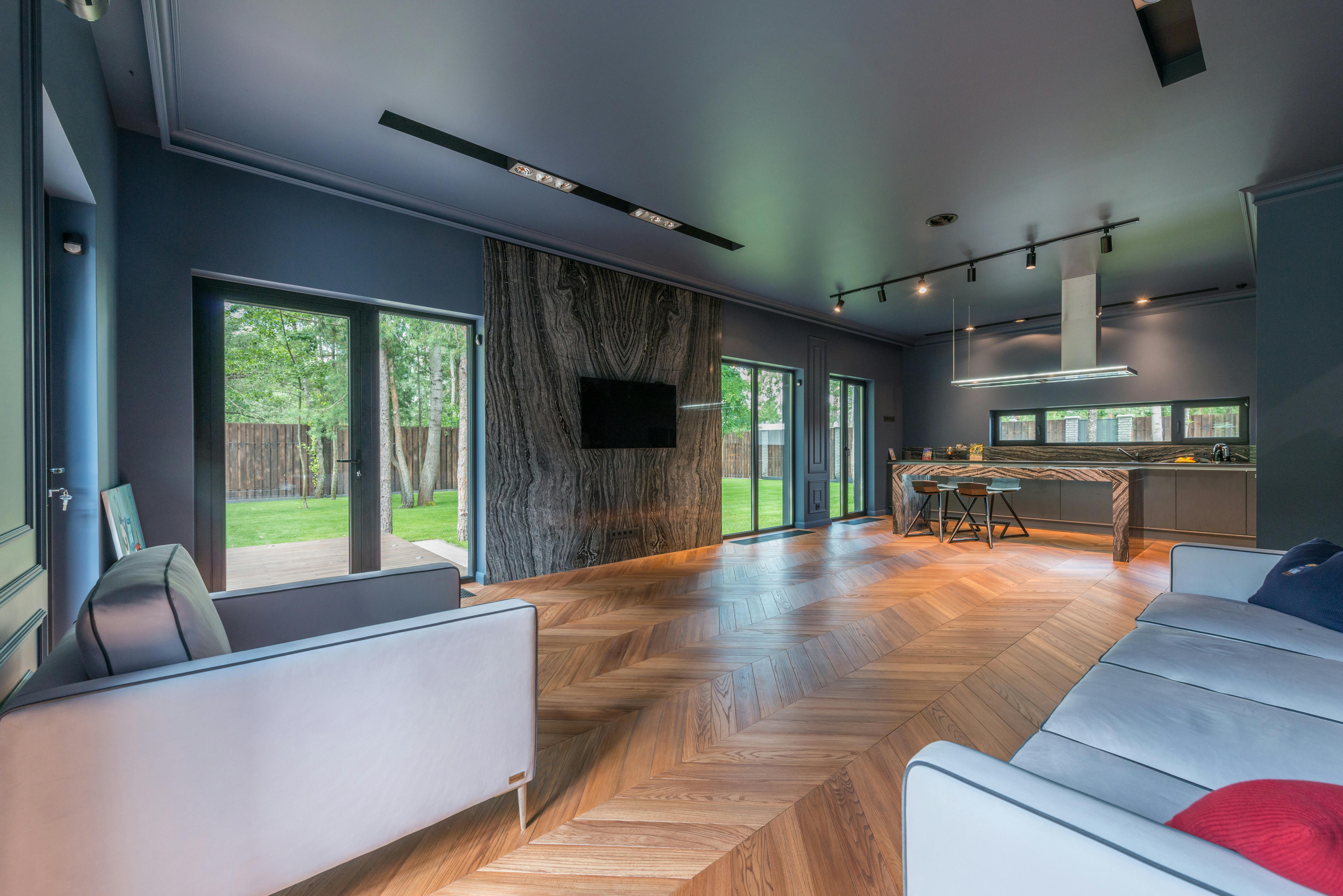
Initial Strategy
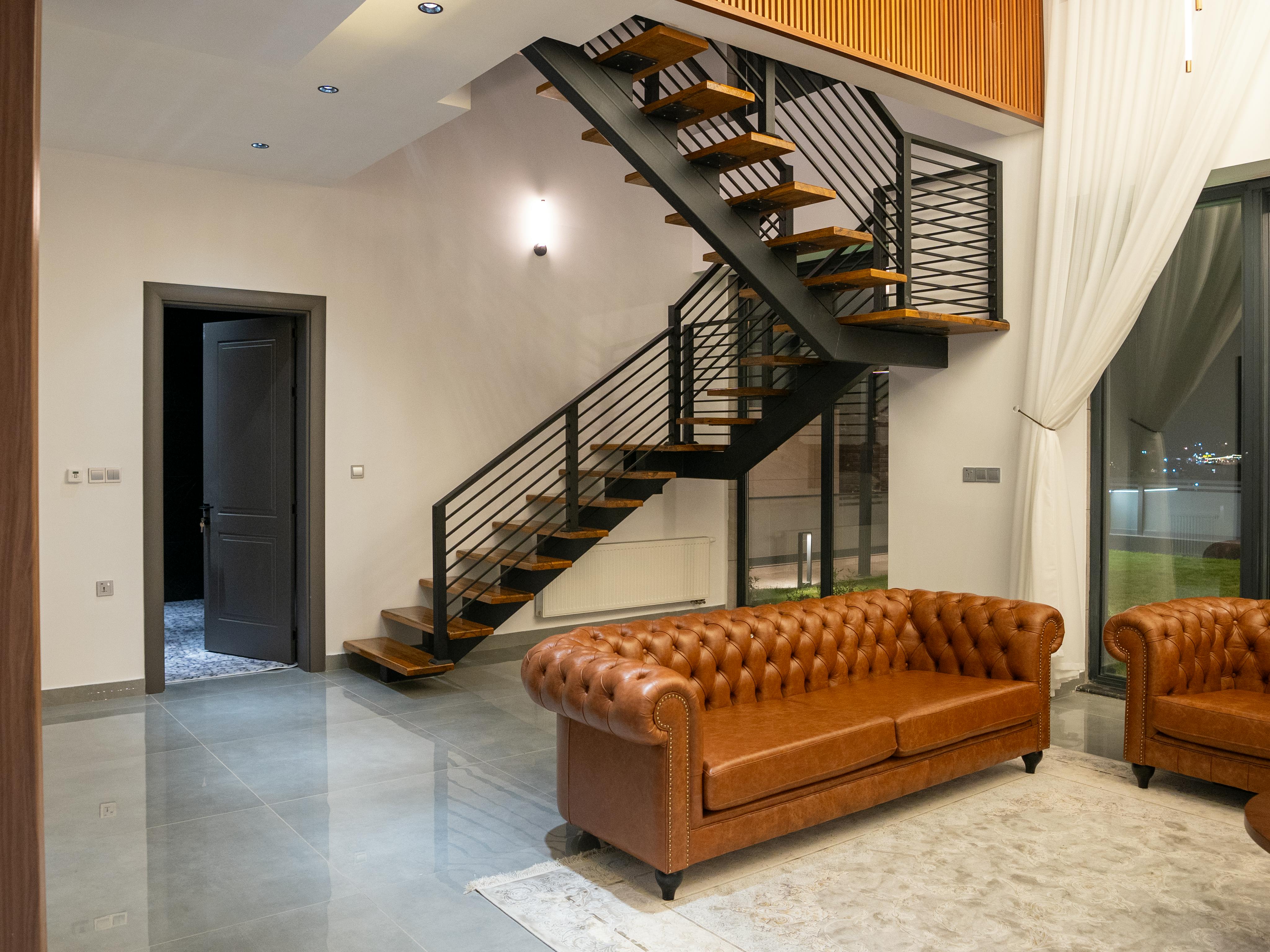
Concept Development
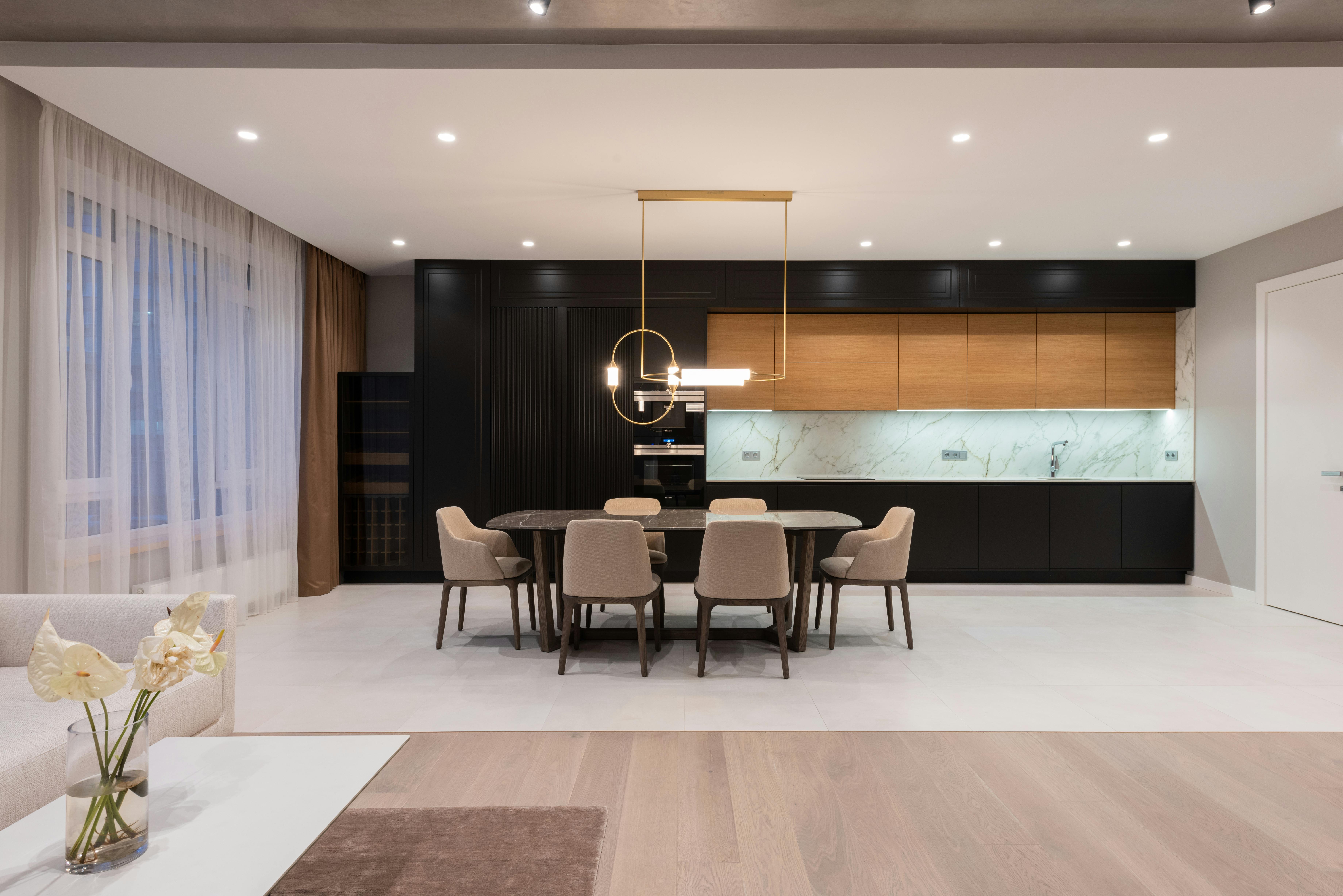
Technical Planning
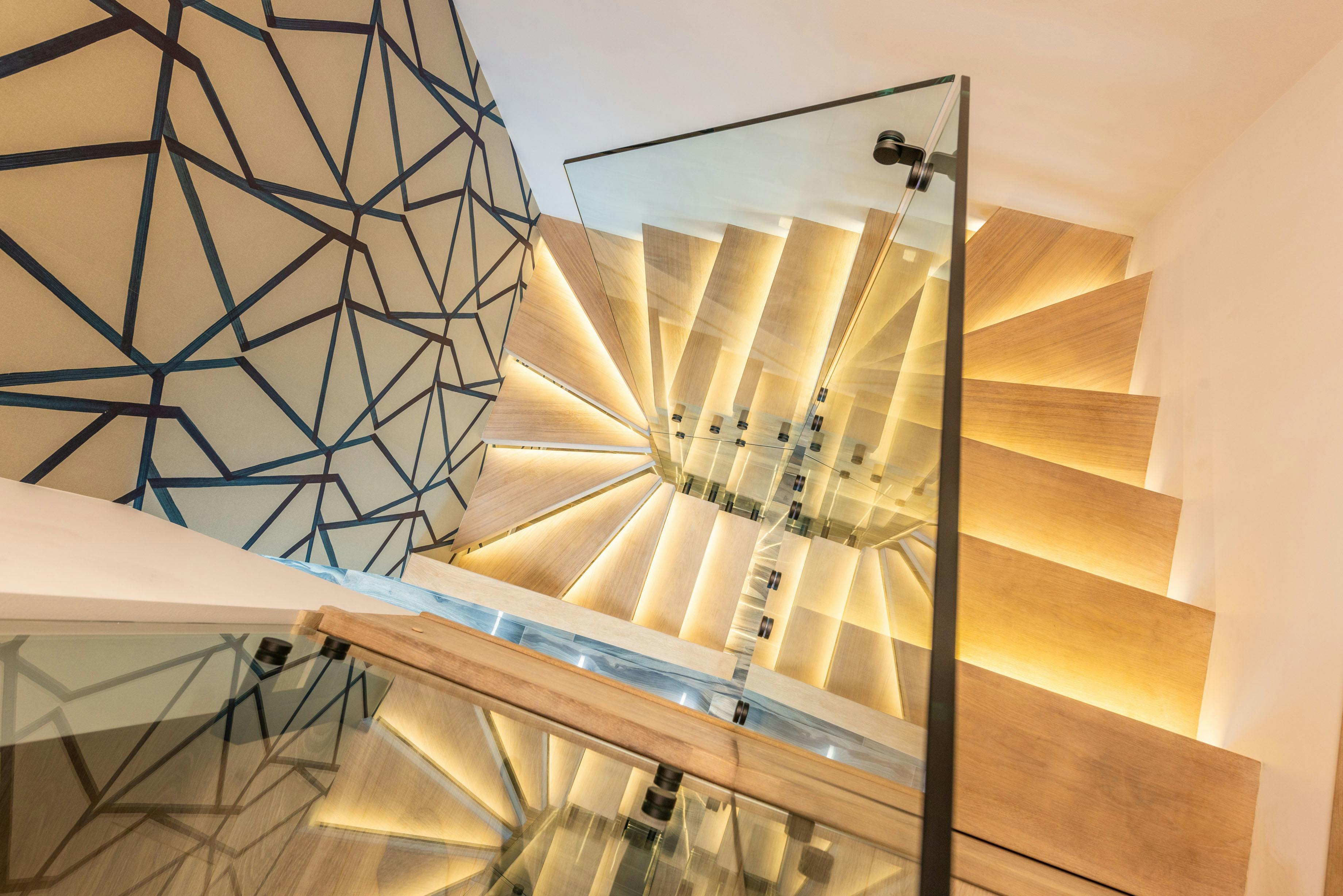
Construction Phase
Initial Strategy
Concept Development
Technical Planning
Construction Phase
Initial Strategy
Concept Development
Technical Planning
Construction Phase
Designing the Future of Space.
We create architecture defined by clarity, precision, and purpose. From concept to completion, every project reflects our commitment to enduring design and thoughtful execution.
Contact us
Designing the Future of Space.

We create architecture defined by clarity, precision, and purpose. From concept to completion, every project reflects our commitment to enduring design and thoughtful execution.
Contact us
Design by: Before Pixel
Designing the Future of Space.
We create architecture defined by clarity, precision, and purpose. From concept to completion, every project reflects our commitment to enduring design and thoughtful execution.
Contact us
© 2026 Studio 01
Design by: Before Pixel